
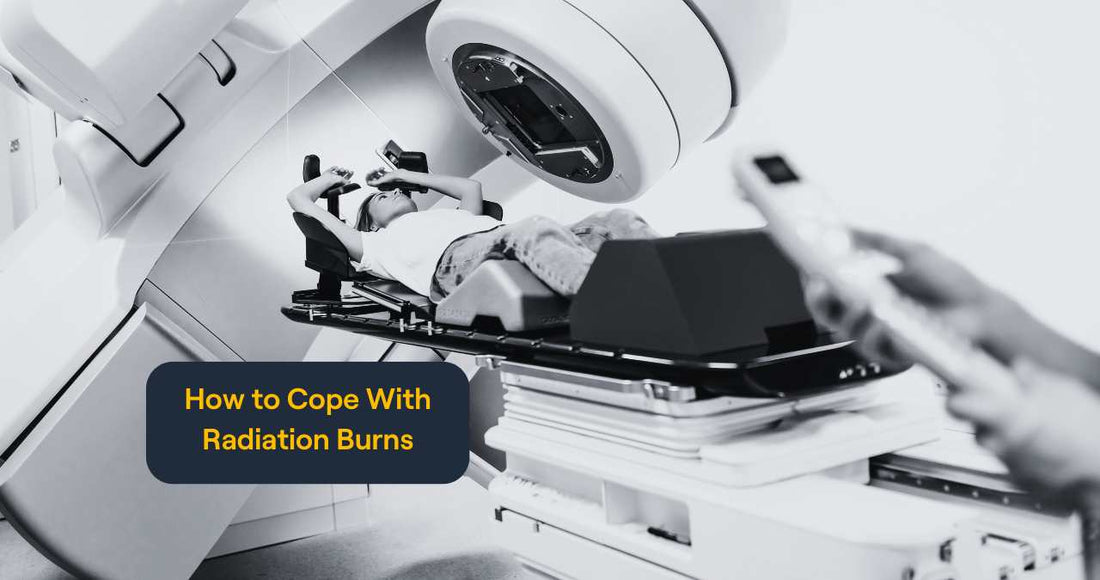
When I went through cancer treatment, there were days I thought my skin couldn’t take any more. Radiation burns, one of the many side effects of radiation therapy, made every movement uncomfortable. For those who are experiencing this now, I want you to know that you’re not alone, and there are ways to make this manageable.
Radiation therapy is a powerful tool for treating cancer, but it often brings challenges like radiation burns. These burns can range from mild redness to more severe skin reactions, making it vital to understand what’s happening to your skin and how you and your caregivers can manage these effects.
What Are Radiation Burns?
Radiation burns happen when radiation used to treat cancer damages the skin. Unlike regular burns caused by heat, radiation burns occur because of the high-energy rays used to target cancer cells. While these rays destroy cancer cells, they can also harm nearby healthy skin cells, leading to redness, peeling, and in severe cases, open sores.
Radiation burns typically go through stages. Early on, you might notice slight redness or itching, similar to a mild sunburn. As treatment progresses, the skin may become dry, peel, or even crack. In the most serious cases, ulcers or deep wounds can form. It’s important to differentiate these reactions from other skin irritations caused by cancer medications, as each requires specific care.
Dealing with skin changes from radiation?
Hope AI by Manta Cares shows you where you are in the process and helps you work out what to do and ask next. It is built on clinically reviewed cancer content, not general web search, so the answers are specific to what you are actually going through. Free for everyone.
Ask Hope AI about radiation burnsRecognizing Symptoms of Radiation Burns in Cancer Patients
Radiation burns don’t look the same for everyone. In my case, it started with tenderness in the treated area, followed by redness and swelling. Others may experience blistering or peeling. These symptoms can begin during treatment or appear weeks later.
Caregivers play an essential role here. Watching for early signs like increased redness, swelling, or unusual discomfort can help. If symptoms worsen or if there’s pain that doesn’t improve, it’s important to communicate with your healthcare provider. It’s better to bring up concerns sooner rather than waiting for a follow-up.
What Causes Radiation Burns?
Radiation burns happen because the energy from radiation therapy targets all cells, not just cancerous ones. Healthy skin cells in the treatment area can’t regenerate as quickly as they’re being damaged, leading to visible skin reactions. Certain factors, like the intensity of radiation, the position of the tumor closer to the skin, or skin sensitivity conditions like scleroderma and other autoimmune diseases, can make burns more likely. Check with your radiation oncologist if any of these apply to you.
When I asked my radiation oncologist why my burns seemed worse than others I’d heard about, I learned that every person’s body reacts differently. Some people may experience only mild redness, while others, like me, might face more severe burns. Understanding the cause doesn’t fix the problem, but it gave me clarity and helped me focus on what I could do to heal.
Treatment Options for Radiation Burns
Medical Treatments
Your healthcare team will likely recommend creams or ointments to soothe and heal the skin; prescription steroid creams like mometasone are among the best-supported options. In my case, a steroid cream helped reduce inflammation. Your team may also suggest protective barrier films or dressings with good evidence behind them, such as Mepitel film or Mepilex Lite. Other medications might include silver sulfadiazine for preventing infections. Make sure to ask your oncologist or radiologist what’s safe for you since some treatments can interfere with radiation.
Also, sometimes a treatment pause or delay may be needed to allow the skin to start healing. Again, check with your radiation oncology team, and be sure to show them any red areas that are developing.
Over-the-Counter Remedies
Gentle moisturizers and cooling aloe vera gel felt like lifesavers for me, though the research on aloe is mixed, so check with your radiation team about what they recommend for your skin. It’s important to avoid anything with alcohol or fragrances, as these can irritate sensitive skin. Check with your doctor before trying over-the-counter solutions to make sure they’re appropriate.
Self-Care Tips for Managing Radiation Burns: Patient and Caregiver Strategies
Daily Care Routines
Keeping the skin clean is crucial. I used a gentle, fragrance-free cleanser and lukewarm water to wash the area. Patting the skin dry, never rubbing, is essential to avoid further irritation. Moisturizing regularly helped me maintain some comfort.
Clothing and Skin Protection
Loose, breathable clothing was a game-changer. Tight fabrics irritated my burns, so I switched to soft cotton shirts and avoided underwire bras or tight waistbands. Caregivers can help by ensuring the patient has comfortable options readily available.
Environment and Comfort Tips
Staying out of the sun and avoiding extreme temperatures became part of my routine. If you’re helping a loved one, think about creating a cozy, soothing space for them to rest. Dim lighting, soft pillows, and access to calming distractions like books or music can make a world of difference.
Emotional Coping Strategies for Patients and Caregivers
For Patients
Living with radiation burns can be emotionally draining. I found that breathing exercises and mindfulness helped me manage the anxiety that came with the pain. Talking to others who had gone through similar experiences also brought comfort.
For Caregivers
Supporting a loved one through cancer treatment is no small task. My caregiver often felt helpless, but their empathy and patience meant everything to me. Listening without judgment and offering practical help, like running errands or preparing meals, eased my stress.
When to Seek Professional Help
Radiation burns can sometimes lead to complications. If you notice signs of infection, like increased pain, swelling, or yellow discharge, it’s time to see a doctor. Severe reactions, such as open sores or difficulty moving because of pain, also require medical attention. Regular follow-ups with your radiation oncology team ensure that you’re healing properly.
Conclusion
Radiation burns are tough, but they don’t have to control your life. By understanding the causes, recognizing symptoms, and using the right treatments, you can ease discomfort and focus on healing. To caregivers, your support means more than you may realize, it provides strength and hope during a challenging time.
Also Read:
- Complementary & Alternative (CAM) Therapies for Lung Cancer Treatment
- Early Signs of Lung Cancer in People Who Haven’t Smoked
- Role of Radiation Therapy in Palliative Care for the Patient With Cancer
- Best Reconstruction Options after Mastectomy
- Importance of Wearing a Compression Bra After Breast Surgery
- How to Self-advocate as a Cancer Patient
- How Cancer Can Affect Your Self-Esteem
- Chemotherapy vs. Immunotherapy for Lung Cancer
- Link Between Lung Cancer and Shoulder Pain
- Can lung cancer be detected early?
FAQs for Cancer Patients and Caregivers on Radiation Burns
Q: How long do radiation burns take to heal?
Ans - Healing timelines vary. For me, mild burns healed in a few weeks, but deeper burns took months to improve. Following your doctor’s care plan can speed up recovery.
Q: Are radiation burns permanent?
Ans - Most burns fade over time, but some discoloration or sensitivity may remain. Gentle skincare and sun protection can help long-term. Sometimes, telangiectasia (small, visibly enlarged skin blood vessels) can occur many months or years after radiation treatment. Again, check with your radiation oncology team.
Q: How can caregivers help?
Ans - Caregivers can monitor for symptoms, assist with daily routines, and provide emotional support. Encouragement and small acts of kindness, like preparing a favorite meal, can boost morale.
Q: Can I use cosmetics during treatment?
Ans - It’s best to avoid makeup or skincare products on treated areas unless approved by your doctor. Harsh chemicals can worsen burns.
Q: Does diet affect healing?
Ans - Eating nutrient-rich foods like fruits, vegetables, and protein can support your body’s ability to repair itself. Staying hydrated is just as important.
Disclaimer: All content and information provided in connection with Manta Cares is solely intended for informational and educational purposes only. This content and information is not intended to be a substitute for medical advice, diagnosis, or treatment. Always seek the advice of your physician or other qualified health provider with any questions you may have regarding a medical condition.


